Plasmodium vivax and Plasmodium ovale form dormant liver-stage parasites that can reactivate weeks or months after initial infection. These relapses sustain transmission and disease burden even in regions with effective blood-stage control.
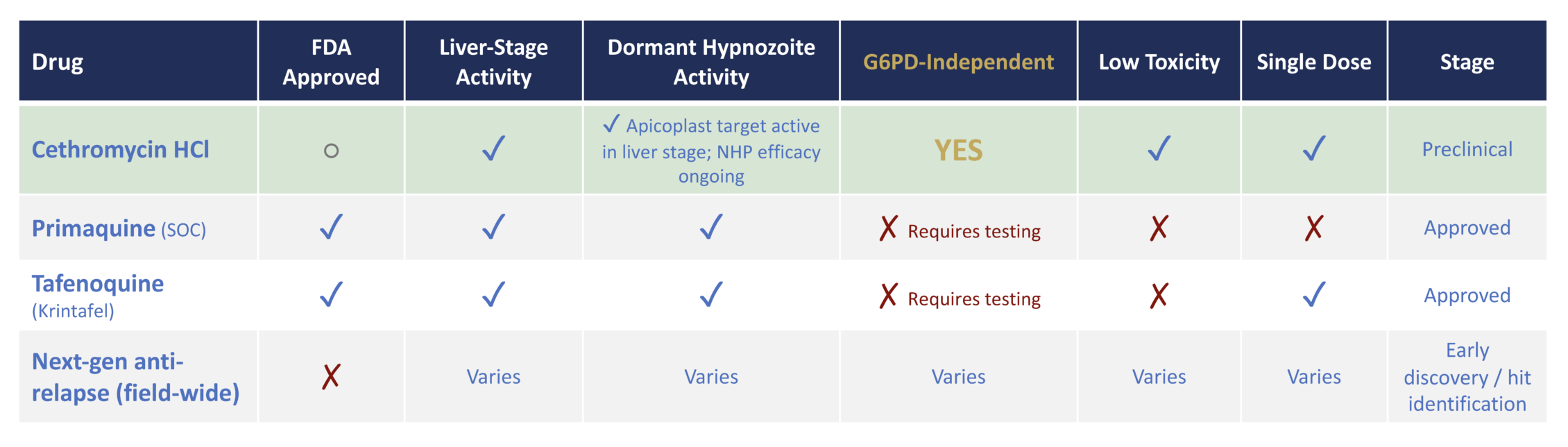
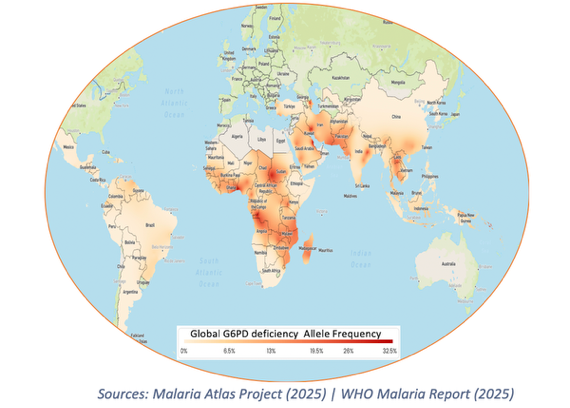
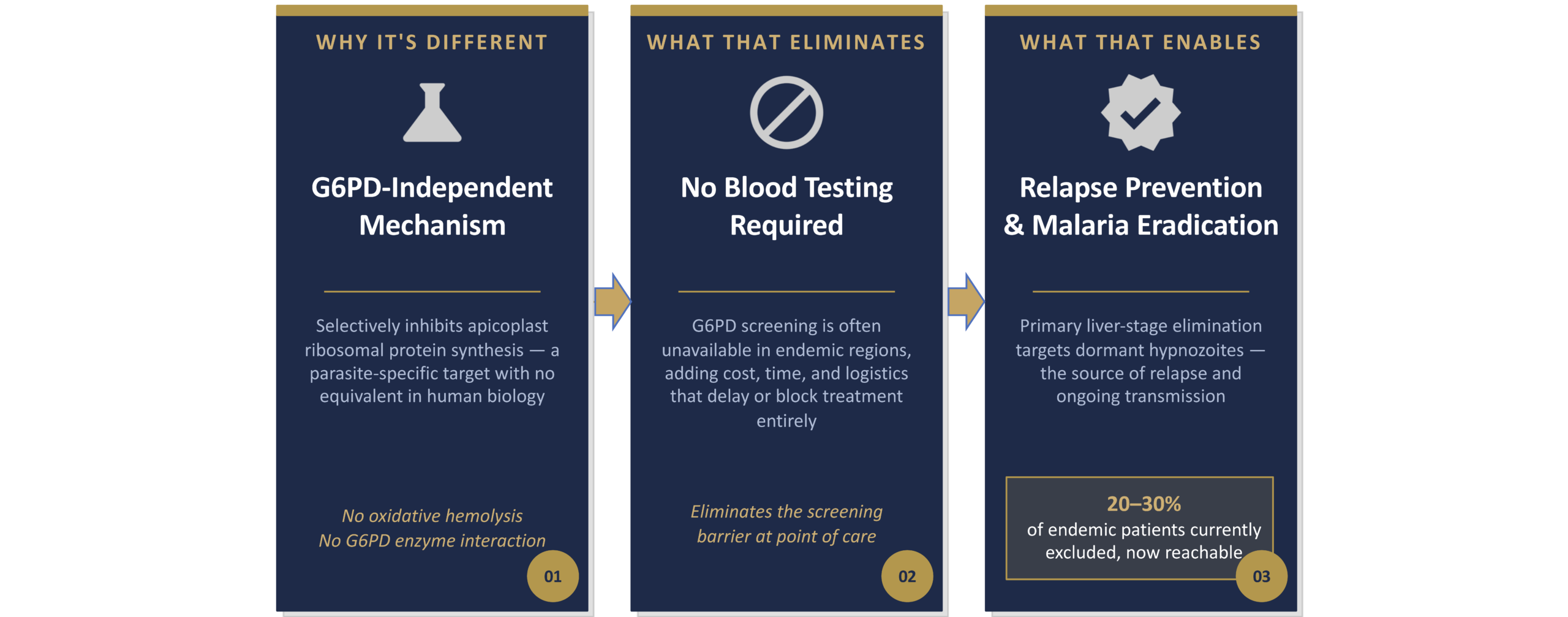
Current radical-cure regimens require G6PD testing due to the risk of hemolysis, creating a major deployment barrier in endemic settings where testing is unavailable or impractical.

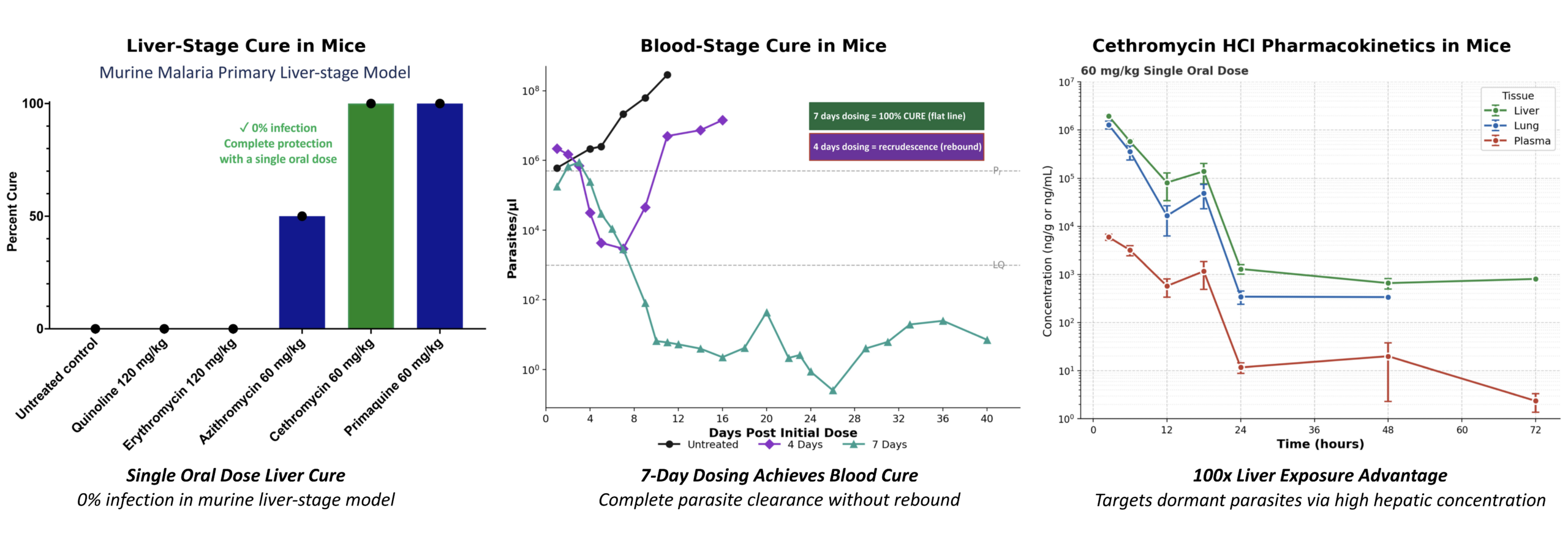
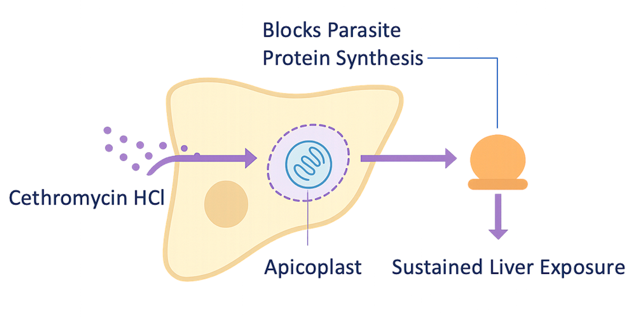
Cethromycin HCl selectively accumulates in hepatocytes and inhibits Plasmodium protein synthesis required for parasite maturation. The CALM program is designed to deliver primary liver-stage elimination and relapse prevention without oxidative hemolysis risk.
The therapy is intended for short, exposure-bounded use, avoiding chronic or suppressive antibiotic exposure.
Cethromycin HCl harnesses a well-characterized macrolide mechanism validated across bacterial and parasitic systems. Its preferential liver accumulation enables sustained exposure at the site of liver-stage infection, differentiating it from traditional antimalarial approaches. Preclinical studies demonstrate liver-stage efficacy consistent with this exposure profile.
The central translational question for the CALM program is whether sustained hepatic exposure sufficient for dormant liver-stage activity can be achieved in primates and humans. This question is directly testable through nonhuman primate studies and early clinical pharmacokinetics, providing a data-driven go/no-go framework prior to broader clinical development.
The CALM program represents a focused, capital-efficient approach to addressing one of the most persistent barriers to malaria elimination.