| Cethromycin HCl: Mechanism and Role in Liver-Stage Malaria

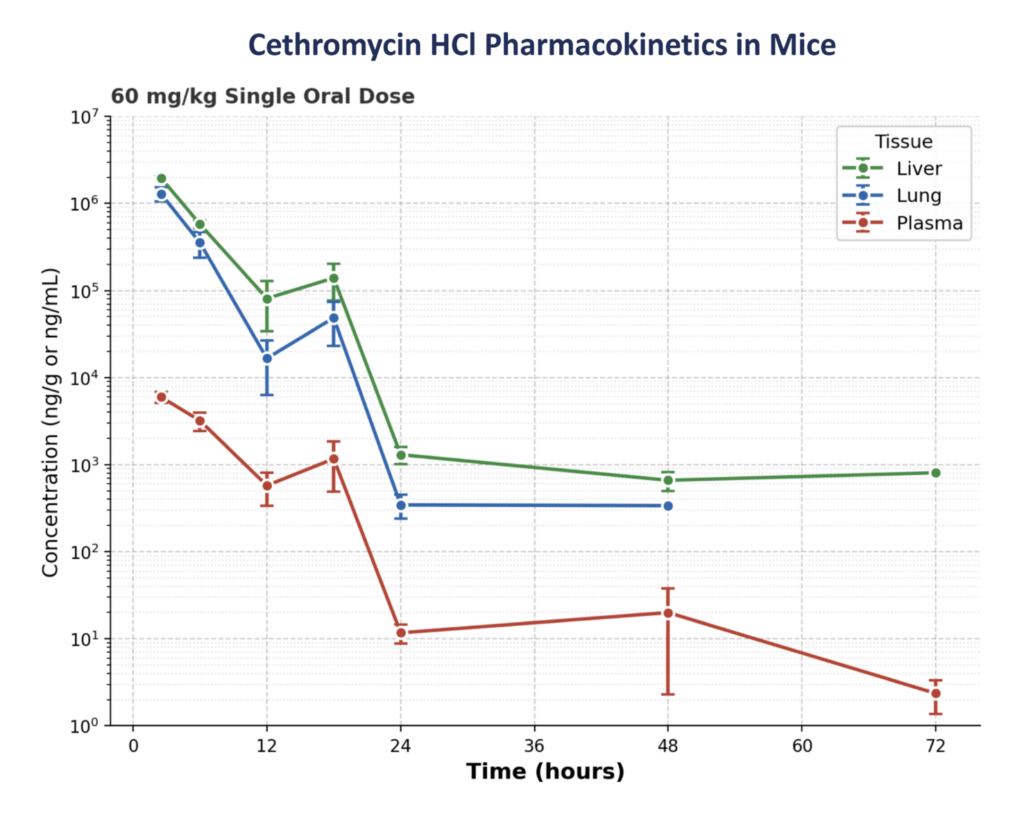
Cethromycin HCl is the active molecular entity underlying AliquantumRx’s lead development program in liver-stage malaria relapse prevention. It is a ketolide antibiotic derivative with well-characterized pharmacokinetics, including favorable tissue distribution and oral bioavailability. Its mechanism targets protein synthesis in Plasmodium parasites and supports sustained hepatic exposure relevant to dormant liver-stage activity

Mechanism and Hepatic Exposure Rationale

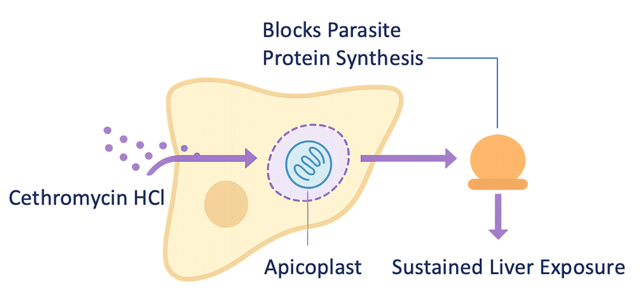
Cethromycin HCl accumulates preferentially in the liver, where it inhibits protein synthesis in the apicoplast, an organelle essential for parasite maturation. This mechanism of action, combined with sustained hepatic exposure, forms the scientific rationale for its evaluation in liver-stage malaria. Cethromycin’s macrolide-related mechanism has broad biochemical precedent, and its hepatic distribution differentiates it from many other antimicrobial compounds.

Translational Context for Malaria

Preclinical studies demonstrate that Cethromycin HCl achieves liver concentrations consistent with activity against dormant liver-stage Plasmodium in animal models. These observations support the translational hypothesis that sufficient hepatic exposure may be achievable in humans to eliminate dormant liver-stage parasites, which is central to the CALM program objective.

Safety and Human Exposure Summary

Cethromycin free base has been administered to more than 5,000 human subjects in prior clinical development, establishing a substantial human exposure and safety database. This human exposure supports early clinical development and helps de-risk initial clinical evaluation.

Intellectual Property Protection

Cethromycin HCl is supported by composition-of-matter and formulation intellectual property protecting the hydrochloride salt and associated solid forms. These patents strengthen AliquantumRx’s ability to advance differentiated clinical development and support long-term commercial exclusivity. Additional patent filings and development-stage protections continue to be pursued to support lifecycle management.